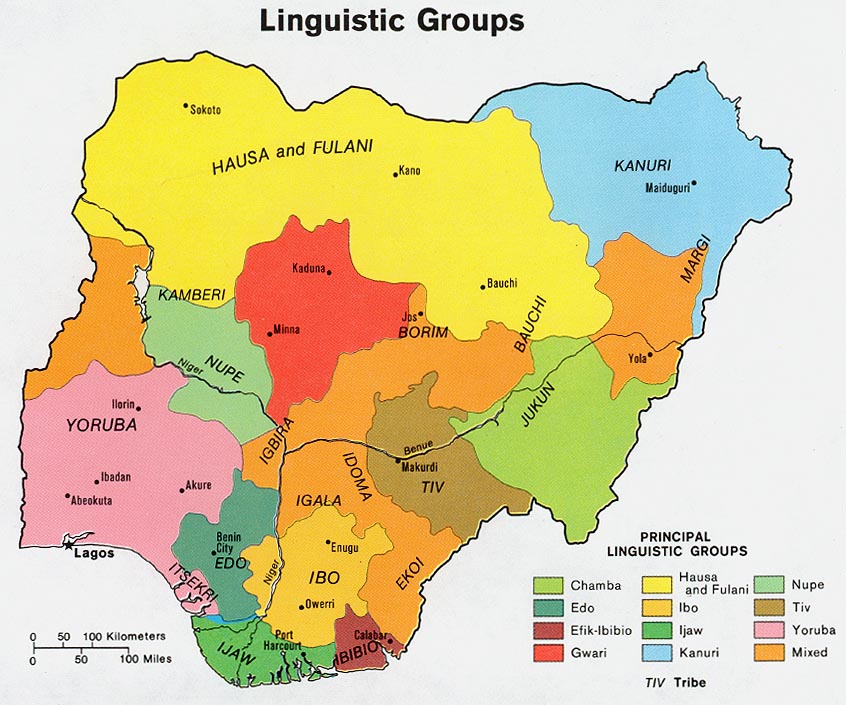
The Iko are an indigenous coastal people living in Akwa Ibom State in southeastern Nigeria, concentrated in the villages of Iko, Atabrikang, and Ikonta within the Obolo Local Government Area. They form one of the two main clans — alongside the Okoroete — that make up the Eastern Obolo area of the Niger Delta. The Iko are part of the broader Obolo people, also known as the Andoni, an Ijaw subgroup whose roots in the Niger Delta region extend back well over a millennium. Their homeland sits at the southern tip of Akwa Ibom State, bordered by the Bight of Bonny and the Atlantic Ocean, a landscape of creeks, mangroves, and coastline shaped entirely by water.
The Iko speak their own dialect of the Obolo language, known as Iko, which is closely related to other Obolo dialects spoken across Eastern Obolo and in Andoni Local Government Area of neighboring Rivers State. The language is considered mutually intelligible with much of the broader Obolo speech community. A Bible translation in the Iko language has been started, and audio Scripture resources are available, though a full Bible translation has not yet been completed.
Christianity arrived in Obolo territory long before formal missionary efforts of the colonial era — historical accounts from as early as the seventeenth century document the Obolo king's acceptance of the Christian faith. This deep-rooted history means the Iko people have lived in proximity to Christianity for generations, and today the community is predominantly Christian.
The Iko are a fishing people, and the sea defines much of how they live, work, and understand the world. Men engage in deep-sea and inshore fishing using canoes and nets, while women process the catch and trade it in local and regional markets. Women also weave the baskets used for fish storage and processing — a craft passed from mother to daughter. Alongside fishing, some families maintain small garden plots producing cassava, plantains, and vegetables, though farming is secondary to the maritime economy.
Family life is organized around extended households and governed by strong community institutions. Men hold formal authority in community decision-making, while women maintain significant influence through family networks and cooperative associations. Youth groups and socio-cultural societies shape community life and provide structures for collective action and celebration.
The Iko community faces an increasingly urgent threat from their natural environment. Coastal erosion driven by rising sea levels, storm surges, and oil pollution has consumed significant stretches of land, destroying homes, trees, and fishing grounds that once sustained the community. Fish stocks have declined, and women who once relied on periwinkle harvesting as a reliable income source have watched that livelihood nearly disappear. Climate change and environmental degradation press on the Iko from every direction, making their already modest economy more precarious with each passing year.
The vast majority of the Iko identify as Christian, and churches are a visible and active part of community life in Iko villages. The Christian faith has been present in Obolo territory for generations, giving the community a long history of engagement with the gospel. However, a portion of the Iko community continues to observe traditional ethnic religious practices, which center on relationships with ancestral spirits and beliefs about the spiritual dimensions of the natural world — beliefs that have deep roots in the coastal environment the Iko depend upon. These practices sometimes persist alongside Christian profession, particularly in matters tied to the sea, harvest, and the well-being of the household.
Evangelical believers — those who hold to the authority of Scripture and personal saving faith in Jesus Christ — are present among the Iko, though they represent a modest share of the broader Christian community. Many who carry the Christian name may not yet have a living, personally transforming relationship with Christ, and the need for genuine discipleship across the community is real.
The Iko urgently need environmental protection and restoration — practical measures to address coastal erosion, oil pollution, and the destruction of the fishing grounds and coastal land their community depends on for survival. Access to clean water, reliable healthcare, and educational opportunities for children and young people would go a long way toward building a more stable future for Iko families.
Spiritually, the community needs a complete Bible translation in the Iko language so that God's word can be read and heard in the tongue people know most deeply. The evangelical believers among the Iko need discipleship support and teaching so that their faith grows beyond cultural identity into personal commitment to Christ. And with a strong Christian heritage already present, the Iko church has both the privilege and the responsibility to carry the gospel outward to less-reached peoples in Nigeria.
Pray for the completion of a full Bible translation in the Iko language and for the Holy Spirit to use God's word to produce genuine, life-changing faith throughout the community.
Pray for Iko evangelical believers to grow in biblical maturity and become bold witnesses for Christ, reaching out to less-reached peoples in northern Nigeria.
Pray for environmental protection and justice for the Iko people — that the destruction of their coastline, fishing grounds, and communities will be addressed with urgency and care.
Scripture Prayers for the Iko in Nigeria.
https://en.wikipedia.org/wiki/Eastern_Obolo
https://en.wikipedia.org/wiki/Obolo_people
https://en.wikipedia.org/wiki/Akwa_Ibom_State
https://ngbandiakobolo.org/-p=199
https://aapw.org/wp-content/uploads/2023/03/AAPW-Okoroete-CESM-Report.pdf
https://globalrecordings.net/en/language/iki
https://www.ethnologue.com/language/iki/
https://www.nigerdeltabudget.org/overview-of-akwa-ibom/
| Profile Source: Joshua Project |